Valentine Skeleton: A Designer's Real-World Embroidery Review
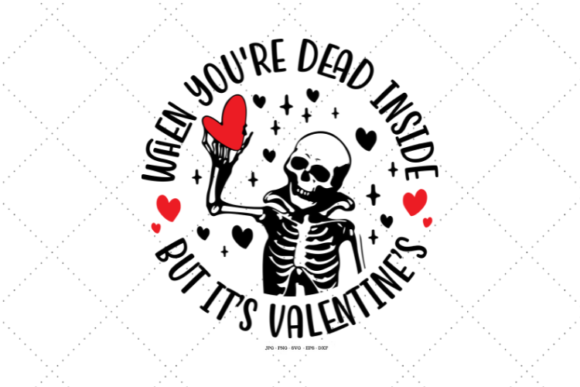
When I first opened the files for Valentine Skeleton, my immediate reaction was a mix of amusement and professional curiosity. As someone who has spent years evaluating design assets for both personal hobby projects and commercial client work, I know that the difference between a cute graphic and a successful embroidery project often lies in execution. This design immediately stands out because it captures a specific mood: playful, slightly edgy, but undeniably festive. It is not your average heart-and-cupid Valentine's motif; it brings a modern, alternative vibe that fits perfectly into today's handmade market.
The visual personality of Valentine Skeleton is strong. The shape suggests a character that is ready to be stitched, with clear lines and a layout that feels balanced. For an embroidery designer, the first thing you look for is how the elements will translate from a flat digital file into three-dimensional thread. Does the skeleton pose allow for good stitch direction? Is there enough negative space to prevent the fabric from puckering? In this case, the design feels robust enough to handle the rigors of machine stitching while retaining its whimsical charm. It screams "custom apparel" and "personalized gift," making it a versatile asset for any crafter looking to expand their product line.
From Digital File to Finished Product: A Real Project Scenario
To truly understand the potential of Valentine Skeleton, let's imagine a real-life scenario. Picture yourself preparing for a boutique launch or a busy holiday season at a craft fair. You are working on a custom embroidered tote bag for a local coffee shop owner who wants something unique for her Valentine's Day promotion. She isn't interested in the traditional red hearts; she wants something that reflects her brand's quirky, modern aesthetic.
You pull up the Valentine Skeleton design in your digitizing software. The file structure looks clean, which is crucial for smooth operation. You decide to place the skeleton on a black canvas tote, using bright pink and white threads to make the figure pop. The contrast here is key. The dark background allows the lighter stitches to stand out sharply, creating a high-end look that customers associate with quality. As you run the test stitch, the design holds its shape beautifully. The curves of the skeleton's ribs and the details of the skull translate well into satin stitch, maintaining the integrity of the original graphic.
Now, imagine taking that same design and adapting it for a baby onesie. The scale changes, but the appeal remains. Parents are always looking for personalized gifts that break away from the cliché. A small, embroidered Valentine Skeleton on a soft cotton onesie becomes a memorable keepsake. It shows thoughtfulness and creativity, qualities that Etsy sellers and small business owners rely on to build trust with their buyers. When a customer sees a finished product that looks professionally executed, they are more likely to return for future orders or recommend your services to others.
Navigating Technical Challenges in Embroidery
While Valentine Skeleton is a strong candidate for many projects, every experienced designer knows that context matters. There are specific situations where you need to exercise caution to ensure the final result meets your standards. One of the primary concerns is the size of the hoop relative to the design detail. If you attempt to stitch this design on a very small item, like a cap brim or a tiny patch, the fine details might get lost or become too dense for the fabric to support.
Texture plays a significant role as well. If you are working with a heavily textured fabric, such as a chunky knit sweater or a rough burlap, the stability of the stitches can be compromised. The design relies on a relatively smooth surface to maintain its crisp edges. Similarly, stretchy fabrics require extra attention. Without the proper stabilizer, the tension of the embroidery could cause the fabric to pucker around the skeleton, distorting the image. In these cases, a cut-away stabilizer is often necessary to provide the backing needed for a durable finish.
Another area to consider is color contrast. While the design works wonderfully on light backgrounds, placing it on dark fabric requires careful thread selection. If the thread colors are too similar to the fabric, the design loses its impact. Conversely, if the contrast is too harsh without proper outlining, the edges might appear jagged after washing. It is also important to check the density of the fill stitches. High-density areas can sometimes lead to bird nesting or thread breaks, especially if the machine settings are not optimized for the specific thread type being used.
Practical Notes for Designers and Makers
Before committing to a large production run or selling a batch of items featuring Valentine Skeleton, there are several steps every maker should take. First, always test the design on scrap fabric. This simple step can save you hours of frustration and wasted materials. Check the thread color contrast by viewing the sample under different lighting conditions, just as a customer would see it in a store.
Review the stitch density carefully. If the design appears too crowded, you may need to adjust the spacing or simplify certain elements during the digitizing process. Confirm the hoop size requirements to ensure the design fits within your machine's capabilities without cutting off parts of the image. Inspect small details closely; sometimes, what looks perfect on a screen can become muddy when stitched in thread.
It is also wise to test the design in black and white mockups before adding color. This helps you visualize the value and recognition of the design without the distraction of thread choices. Compare how the design performs on both light and dark fabric backgrounds to determine the most versatile approach for your product line. Use proper stabilizer techniques tailored to the fabric weight and texture you are working with.
Finally, confirm licensing terms. If you plan to sell finished products or offer the design as part of a commercial package, understanding the usage rights is essential. Ensure that the license covers both personal and commercial projects, and verify whether you are allowed to resell the digital file itself. These details protect your business and ensure compliance with intellectual property standards.
In the world of Crafts and Graphics, finding a design that balances artistic flair with technical feasibility is rare. Valentine Skeleton manages to do exactly that. Whether you are creating a holiday gift, a boutique product, or a custom piece for a client, this design offers a fresh perspective that resonates with modern audiences. By paying attention to the nuances of embroidery, from stabilizer choice to thread selection, you can transform this digital asset into a stunning finished product that elevates your brand and delights your customers.
Ultimately, the success of any embroidery project depends on the maker's ability to adapt the design to the medium. With careful planning and a keen eye for detail, Valentine Skeleton can become a staple in your repertoire of embroidery designs. It is a reminder that even in a crowded market, a well-executed, unique concept can capture attention and drive engagement. So, grab your hoop, select your threads, and let your creativity shine through this delightful skeleton companion.